 忧郁的大能猫
好奇的探索者,理性的思考者,踏实的行动者。
blog/A-IT/10-编程语言/c.c++/c笔记/c零碎知识点
Table of Contents:
__typeof__()并且__typeof()是C语言的编译器专用扩展,因为标准C不包含这样的运算符。标准C要求编译器用双下划线前缀语言扩展(这也是为什么你不应该为自己的函数,变量等做这些)
C++ 程序员偏向于使用 for(;;) 结构来表示一个无限循环。
vs中查看string的中文字
在获取包含中文变量的时候,查看std::string字符串变量,提示:字符串中的字符无效
变量后加,s8 即可
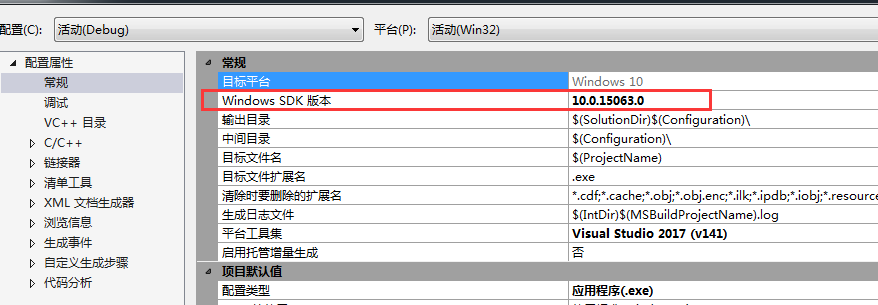
vs设置Windows SDK
#include <WinSock2.h>vs中显示winsock2.h 找不到,于是搜索了下发现在

于是更改了下Windows sdk就好了
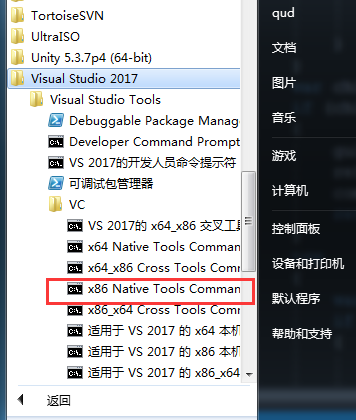
VS命令行编译
在tools下有个bat文件VsDevCmd.bat,运行后就可以把编译的命令设置到环境变量中,然后就可以在命令行中编译了
.net framework ^符号
在MSDN看到这个“^”符号,它究竟是什么意思?不是位运算符哈。
public static DirectoryInfo^ CreateDirectory(

String^ path

)
这个是c++调用.net framework库里面的对象用到的符号,DirectoryInfo和String都是.net对象,你把^当作一种特殊的指针看就可以了。
linux man
man fopen 在linux下就可以查看到c函数的用法
c函数(尤其linux下)正确情况一般返回 0 ,错误的话则返回错误码
DLL _declspec
#include<stdlib.h>
#include<windows.h>

// _declspec(dllexport) 告诉外部可以调用,没有的话外部不可调用
_declspec(dllexport) void goA() 不需要main函数
{
 while (1)
 {
  MessageBoxA(0, "你在与间谍聊天", "请注意安全", 0);
 }
}
要编译成dll的文件,注入到其他程序中
CGI
CGI(Common Gateway Interface):“Web 服务器调用外部程序生成动态网页内容”的一种协议。 早期动态网页技术使用最多的,发展的比较成熟并且功能强大,但是效率比较低,编程比较困难。目前很少使用CGI做动态网页。CGI就是web服务器提供的一个可以执行服务器端程序接口的东西,可以用c c++ python 等各来写种语言
一个网站的后门cgi程序,可以执行各种系统的命令,当然用php也可以这样做的
void main()
{
    printf("Content-type:text/html\n\n");
    printf("%s<br><br>", getenv("QUERY_STRING"));  //打印环境变量,由web服务器传入
    char szPost[256] = {0};
    gets(szPost);//获取输入
    printf("%s<br><br>", szPost);//获取输入
    //"BBB=tasklist&AAA=%C7%EB%BD%F8
    char *p = szPost + 4;//0,1,2,3
    char *p1 = strchr(szPost, '&');
    *p1 = '\0'; //弄个结束的位置

    char cmd[256] = { 0 };
    sprintf(cmd, "%s >1.txt", p);//字符串映射
    system(cmd);
    FILE *pf = fopen("1.txt", "r");
    while (!feof(pf))//如果没有到文件末尾就继续
    {
        char ch = fgetc(pf);
        if (ch == '\n')
        {
            printf("<br><br>");//换行
        }
        else
        {
            putchar(ch);//打印字符
        }
    }
}
外挂的思路
植物大战僵尸外挂的思路
知道那些地址代表那些属性,然后修改之,(属性包括游戏运行暂停状态,分数,生命值……)这就是外挂可以通过使用Cheat Engine 来扫描比如阳光的地址,然后修改地址,最重要的是扫描出基址,和各个属性的偏移地址。然后根据这些地址写一个修改地址的dll,然后注入到游戏中
示例代码
#include "stdio.h"
#include "stdlib.h"
#include "string.h"


//1.在c中没有字符串这种类型,是通过字符串数组(char buf[100])去模拟
//2.字符串和字符串数组的区别 是不是 带有\0

//字符串数组 也是 数组
void main11()
{
    //通过字符串常量初始化字符串数组
    //通过这种方法它会自动给你\0
    char buf4[] = "abcdefg";
    printf("%s\n", buf4);
    system("pause");
}


//strlen() 是一个函数 求字符串的长度,不包括\0
//sizeof() 是一个操作符,求数据类型(实体)的大小(单位:字节)
void main12()
{
    char buf3[] = {'a', 'b', 'c', '\0'}; //buf是个指针
    printf("strlen(buf3):%d \n", strlen(buf3)); //3
    printf("sizeof(buf3)%d \n", sizeof(buf3));//4
    system("pause");
}


int main()
{
    char *p1 = "111111";
    char *p2 = malloc(100);   //sizeof(p2) = 4   32位 = 4   64位 = 8
    strcpy(p2, "3333");
}


-------------统计str里有几个substr-------------
void main()
{
    char *p = "abcd1111abcd222abcd3333";
    int ncout = 0;


    while (p = strstr(p, "abcd"))
    {
        p = p + strlen("abcd");  // 未找到则返回 NULL。
        ncout ++;
        if (*p == '\0')
        {
            break;
        }
    }
    printf("ncout:%d\n", ncout);
    system("pause");
}


//不要相信别人给你传送的内存地址是可用的
int getCout(char *str, char *substr, int *count)
{
    int rv = 0;
    char *p = str;
    int ncout = 0;
    if (str==NULL || substr== NULL ||  count==NULL)
    {
        rv = -1;
        printf("func getCout()check (str==NULL || substr== NULL ||  count==NULL) err:%d \n" , rv);
        return rv;
    }

    do
    {
        p = strstr(p, substr);
        if (p == NULL) //没有找到则跳出来
        {
            break;
        }
        else
        {
            ncout++;
            p = p + strlen(substr);
        }
    } while (*p != '\0');


    *count  = ncout;
    return rv;
}


--------------字符串复制-------------------

//因为后缀++的优先级,高于,*p;
void copy_str3(char *from , char *to)
{
    int ret = 0;
    if (from ==NULL || to== NULL)
    {
        ret = -1;
        printf("func copy_str2() err: %d, (from ==NULL || to== NULL)", ret);
        return ret;
    }
    while(*from != '\0')
    {
//         *to = *from;
//         to ++;
//         from ++;
        *to ++ = *from++;
    }
    *to = '\0';
    return ret;
}


void copy_str4(char *from , char *to)
{
    while((*to++ = *from++) != '\0')
    {
        ;
    }
}


----------------去两边的空格,两头堵-----------------
//char *p = "       abcd11111abcd2222abcdqqqqq       ";
void main41()
{
    int count = 0; //去除空格后的长度
    int i = 0, j = 0;


    char *p = "   abcd       ";
    j = strlen(p) -1;


    while (isspace(p[i]) && p[i] != '\0')
    {
        i++;
    }


    while (isspace(p[j]) && j>0)
    {
        j--;
    }
    count = j-i +1;


    printf("count:%d", count);
    system("pause");
}
//封装成函数
int trimSpace(char *mybuf)
{
    int count = 0;
    int i = 0, j = 0;


    char *p = mybuf;
    j = strlen(p) -1;


    while (isspace(p[i]) && p[i] != '\0')
    {
        i++;
    }


    while (isspace(p[j]) && j>0)
    {
        j--;
    }
    count = j-i +1;


    printf("count:%d", count);
    //void *  __cdecl memcpy(void *, const void *, size_t);
    memcpy(mybuf, mybuf+i, count);
    mybuf[count] = '\0';
    return 0;
}
//改进版
//一般情况下不要修改输入的内存块的值,一般有输入参数和输出参数
int trimSpace(char *mybuf, char *outbuf)
{
    int count = 0;
    int i = 0, j = 0;


    char *p = mybuf;   //付给一个值,以免这个指针找不到了,比如 ++操作后
    j = strlen(p) -1;


    while (isspace(p[i]) && p[i] != '\0')
    {
        i++;
    }


    while (isspace(p[j]) && j>0)
    {
        j--;
    }
    count = j-i +1;


    printf("count:%d", count);
    //void *  __cdecl memcpy(void *, const void *, size_t);
    memcpy(outbuf, mybuf+i, count);
    outbuf[count] = '\0';
    return 0;
}


-------------字符串反转----------------
void main()
{
    //char *str = "abcdefg";   因为他是在全局区,没法改变的
    char str[] = "abcdefg";   //在栈区的可以修改
    int len = strlen(str);
    char *p1 = str;
    char *p2 = str + len -1;


    while(p1 < p2)
    {
        char c = *p1;
        *p1 = *p2;
        *p2 = c;
        p1 ++;
        p2 --;
    }
    printf("str:%s\n", str);
    system("pause");
}


----------------------配置文件查找------------------------------
int getKeyByValude(char *keyvaluebuf /*in*/,  char *keybuf  /*in*/,
    char *valuebuf /*in out*/, int * valuebuflen /*in out*/)
{
    // 检查参数合法性
    int rv = 0;
    char tmp[2048*10];
    char *p = NULL;
    //1. 在大字符串里面查找有么有关键字
    p = strstr(keyvaluebuf, keybuf);
    if (p==NULL)
    {
        return 0;
    }
    p = p + strlen(keybuf);


    //2. 再查找=号
    p = strstr(keyvaluebuf, "=");
    if (p==NULL)
    {
        return 0;
    }
    p = p + 1;
    //3 去掉左右空格
    rv = trimSpace_ok2(p, tmp);
    if (rv != 0)
    {
        printf("func trimSpace_ok2() err:%d\n", rv);
        return rv;
    }


    strcpy(valuebuf, tmp);
    *valuebuflen = strlen(tmp);
    return 0;
}


void main()
{
    int rv = 0;
    char keyvaluebuf[] = "ORACLE_name  =  itcast     ";


    char *keybuf = "ORACLE_name";
    char valuebuf[1024];
    int valuebuflen = 0;


    //调用函数,要先判断是否出错
    rv = getKeyByValude(keyvaluebuf, keybuf, valuebuf, &valuebuflen);
    if (rv != 0)
    {
        printf("func getKeyByValude() err:%d", rv);
        return ;
    }
    printf("valuebuf:%s\n", valuebuf);
    printf("valuebuflen:%d\n", valuebuflen);


    system("pause");
}


void main02()
{
    //我声明了一个数组类型
    typedef int(MyArr5)[5];    //5个int类型的内存空间,也就是类型的长度

    //用数据类型定义一个变量
    MyArr5 arr5; //相当于int arra[5];


    for (i=0; i<5; i++)
    {
        arr5[i] = i+1;
    }


    for (i=0; i<5; i++)
    {
        printf("%d \n", arr5[i]);
    }


    printf("%d\n", (int)sizeof(arr5));  //20


    //指针步长是20
    printf("%p %p\n", &arr5, &arr5 + 1);   //0x7fffb9a9d500 0x7fffb9a9d514


    system("pause");
}


--------------指向数组类型的指针变量----------
void main022()
{
    int a;
    int *p = NULL;
    int i = 0;


    //我声明了一个数组类型 (固定大小内存块的别名)
    typedef int(MyArr5)[5];
    //定义一个指向数组类型的指针变量
    MyArr5 *pArray;// &a;


    int a1[5] = {1,3,4,55, 6};
    //给数组指针赋值 需要。。。&a1
    MyArr5 *pArray = &a1; //4个字节
    //用数组指针去遍历数组
    for (i=0; i<5; i++)
    {
        printf("%d ", (*pArray)[i]);
    }


    system("pause");
}


//c库函数读写二进制文件的代码,linux下不区分文本文件和二进制文件,所以也就没有win下的b的读写模式
//二进制文件必须知道文件的格式才能解析出来
struct person
{
    int id;
    char name[20];
    int age;
    int sex;
    char tel[20];
};


//读结构体
int main(int arg, char *args[])
{
    FILE *p = fopen(args[1], "w");
    if (p == NULL)
    {
        printf("error is %s\n", strerror(errno));
    } else
    {
        printf("success\n");
        struct person man;
        memset(&man, 0, sizeof(man));


        while(fread(&man, sizeof(struct person), 1, p))
        {
            printf("id=%d\n", man.id);
            printf("name=%s\n", man.name);
            printf("age=%d\n", man.age);
            printf("tel=%s\n", man.tel);
        }
        fclose(p);
    }
    return 0;
}


//写结构体
int main(int arg, char *args[])
{
    FILE *p = fopen(args[1], "w");
    if (p == NULL)
    {
        printf("error is %s\n", strerror(errno));
    } else
    {
        printf("success\n");
        struct person man[10];
        memset(&man, 0, sizeof(man));


        man[0].id = 0;
        strcpy(man[0].name, "苍井空");
        man[0].age = 50;
        man[0].sex = 1;
        strcpy(man[0].tel, "911");


        man[1].id = 1;
        strcpy(man[1].name, "饭岛爱");
        man[1].age = 20;
        man[1].sex = 0;
        strcpy(man[1].tel, "119");


        fwrite(&man, sizeof(struct person), 2, p);
        fclose(p);
    }
    return 0;
}


//写log的代码
void writelog(const char *log)
{
    time_t tDate;
    struct tm *eventTime;
    time(&tDate);//得到系统当前时间
    eventTime = localtime(&tDate);//将time_t数据类型转化为struct tm结构
    int iYear = eventTime->tm_year + 1900;
    int iMon = eventTime->tm_mon + 1;
    int iDay = eventTime->tm_mday;
    int iHour = eventTime->tm_hour;
    int iMin = eventTime->tm_min;
    int iSec = eventTime->tm_sec;


    printf("tm_isdst = %d\n", eventTime->tm_isdst);


    char sDate[16];
    sprintf(sDate, "%04d-%02d-%02d", iYear, iMon, iDay);
    char sTime[16];
    sprintf(sTime, "%02d:%02d:%02d", iHour, iMin, iSec);
    char s[1024];
    sprintf(s, "%s %s %s\n", sDate, sTime, log);
    FILE *p = fopen("my.log", "a+");
    if (p == NULL)
    {
        printf("write log my.log error:%s\n", strerror(errno));
    }else
    {
        fputs(s, p);
        fclose(p);
    }
    return;
}